The Power of Deep Tissue Massage: Benefits, Techniques, and What to Expect
Massage therapy has long been revered for its ability to alleviate stress and enhance overall well-being. Among the various types of massage, deep tissue massage stands out for its therapeutic benefits, especially when it comes to muscle recovery, chronic pain relief, and tension reduction. But what exactly is deep tissue massage, and how does it differ from other forms of massage? This article will dive into the benefits, techniques, and what you can expect from a deep tissue massage session.
What is Deep Tissue Massage?
Deep tissue massage is a therapeutic massage technique that focuses on the deeper layers of muscle and connective tissue. While other forms of massage, like Swedish massage, are designed to be gentle and relaxing, deep tissue massage involves firmer, more intense pressure to target chronic muscle tension, stiff areas, and underlying muscle tissue.
The goal of deep tissue massage is to release tension and knots that form deep within muscles and fascia (the connective tissue that surrounds muscles and other organs). It can be especially helpful for people with chronic pain, postural issues, or those recovering from injuries.
Benefits of Deep Tissue Massage
- Pain Relief: Deep tissue massage is highly effective in reducing chronic pain. It helps break up adhesions (muscle knots) and improves circulation, which can alleviate pain from conditions like lower back pain, sciatica, and tension headaches. This type of massage targets areas with deep muscle tension, which can significantly reduce discomfort.
- Improved Flexibility and Mobility: By focusing on tight muscles and fascia, deep tissue massage can help improve flexibility and range of motion. This is especially useful for athletes, active individuals, or anyone with muscle stiffness due to long periods of sitting or repetitive movements.
- Increased Circulation: The deep, focused pressure used in this type of massage promotes increased blood flow to areas of muscle tension. Better circulation helps supply oxygen and nutrients to the muscles while aiding the removal of waste products like lactic acid. This contributes to faster muscle recovery and can help with conditions like muscle fatigue.
- Stress Reduction: Although deep tissue massage is more intense than lighter massages, it can still have a calming effect on the body. By addressing physical stressors, it helps lower cortisol (the stress hormone) levels and promote relaxation. Many people report feeling mentally relaxed and rejuvenated after a session, even though the physical pressure is more intense.
- Scar Tissue and Injury Recovery: Deep tissue massage can be especially beneficial for people recovering from injuries or surgeries. The focused pressure helps break down scar tissue, promotes healing, and improves movement. Whether you’re healing from a sports injury or have a history of muscle strain, deep tissue massage can support the rehabilitation process.
- Chronic Muscle Tension and Spasms: Persistent muscle tension or spasms often occur due to stress, poor posture, or repetitive movements. Deep tissue massage helps address these issues by working through layers of muscle to release tight spots, ease spasms, and provide long-lasting relief.
What to Expect During a Deep Tissue Massage
1. Consultation: Before your deep tissue massage, the therapist will typically ask about any specific areas of pain, tension, or discomfort. It’s important to communicate openly so that the massage can be tailored to your needs. If you have any health conditions or recent injuries, make sure to inform your therapist in advance.
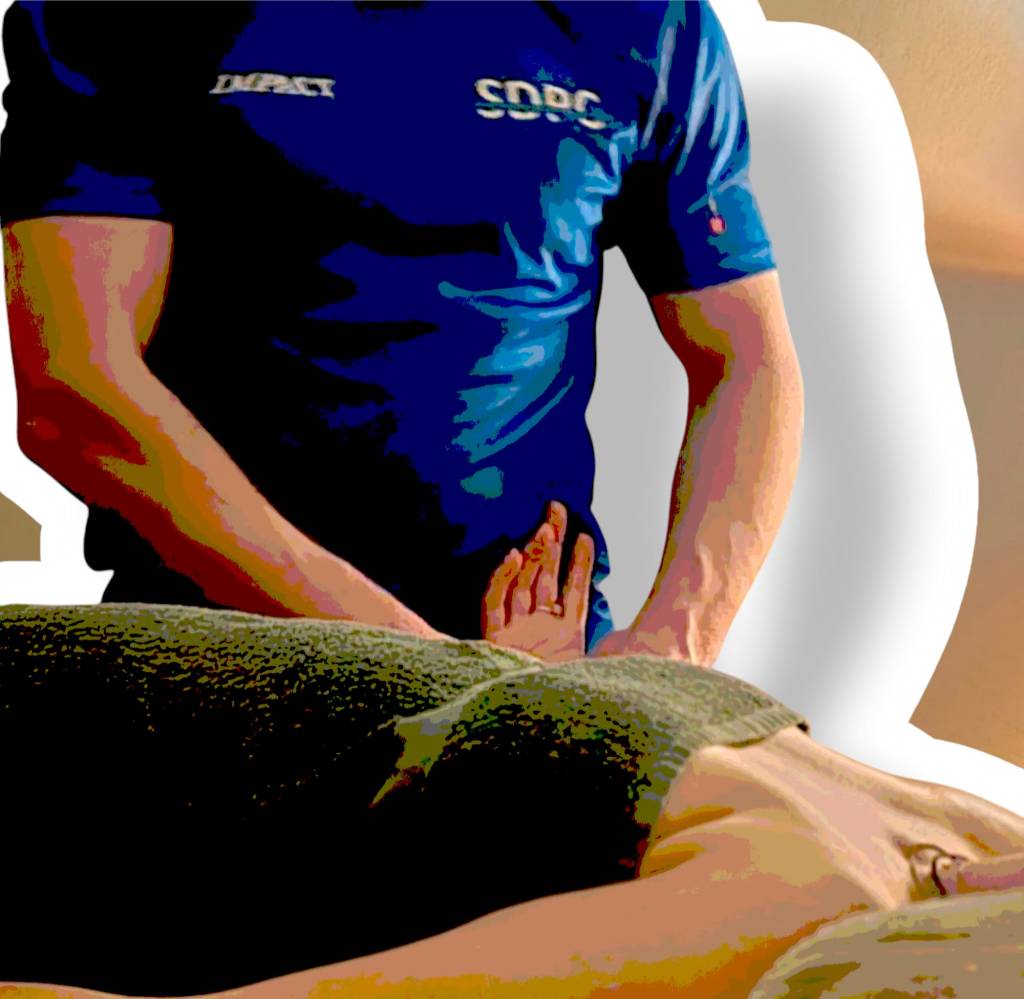
2. Pressure and Intensity: Deep tissue massage can be intense and may cause some discomfort. The therapist will apply firm pressure using their hands, fingers, elbows, and forearms. While it should not be excruciating, some people may experience discomfort when the therapist works on specific knots or tension spots. It’s important to communicate with your therapist during the session and let them know if the pressure is too much or if you need a break.
3. Techniques Used: Deep tissue massage involves several techniques designed to target muscle layers and connective tissue:
- Slow, deliberate strokes: The therapist uses slow, deep strokes to reach the deeper muscles.
- Cross-fiber friction: This technique involves applying pressure across the muscle fibers to help break up adhesions and knots.
- Trigger point therapy: The therapist focuses on specific points of tension or “trigger points” within the muscle, applying pressure to relieve pain and discomfort.
- Myofascial release: This technique targets the fascia, or connective tissue, to release tightness and improve flexibility.
4. Post-Massage Effects: After a deep tissue massage, it’s common to feel a sense of relief from pain and tension, but you may also experience some soreness. This is similar to the feeling you might have after a tough workout and is typically short-lived. It’s important to drink plenty of water to help flush out any toxins released during the massage. Mild soreness should subside within a day or two, but if discomfort persists, consult your therapist.
5. Frequency of Sessions: How often you get a deep tissue massage depends on your needs and goals. For chronic pain or muscle tension, weekly sessions may be beneficial. For general relaxation and maintenance, a monthly session may suffice. It’s best to follow your therapist’s recommendations based on your individual condition and progress.
Who Can Benefit from Deep Tissue Massage?
Deep tissue massage is generally safe for most people, but it is particularly beneficial for those who:
- Have chronic muscle pain or tension.
- Are recovering from an injury or surgery.
- Experience postural imbalances or muscle stiffness due to desk jobs or physical activity.
- Engage in regular physical activity and need help with recovery.
- Have conditions like sciatica, fibromyalgia, or arthritis, but should consult with a healthcare provider first.
However, deep tissue massage may not be suitable for people with certain medical conditions, including:
- Recent surgeries or injuries.
- Blood clotting disorders.
- Osteoporosis or fragile bones.
- Severe skin conditions or open wounds.
- Pregnancy (unless advised by a doctor).
Conclusion
Deep tissue massage is a powerful therapeutic technique that can provide significant benefits for anyone dealing with chronic pain, muscle tension, or stress. By targeting the deeper layers of muscle and connective tissue, it promotes muscle recovery, relieves discomfort, and improves flexibility. Whether you’re an athlete, someone recovering from an injury, or just someone looking to relax, a deep tissue massage may be just what you need to help restore balance and ease in your body.
Always remember to communicate openly with your therapist and ensure that your massage is adjusted to your comfort level. With its long-lasting effects on physical health and mental well-being, deep tissue massage remains one of the most effective forms of hands-on healing available.
Plans
Plan One
Deep Tissue Massage
1 x 60 Minutes
£47
Plan Two
Deep Tissue Massage
5 x 60 Minutes
217.50
Plan Three
Deep Tissue Massage
10 x 60 Minutes
£400
“”Time to get Fitter, Faster and Stronger.”
— Luke Richardson
 Sports Development and Performance Coaching